Response Units Streamlining Loyalty Point Transfers Between Reel Automations and Variable Probability Markets on Mobile Platforms
Sam Keller · Nov 3, 2026
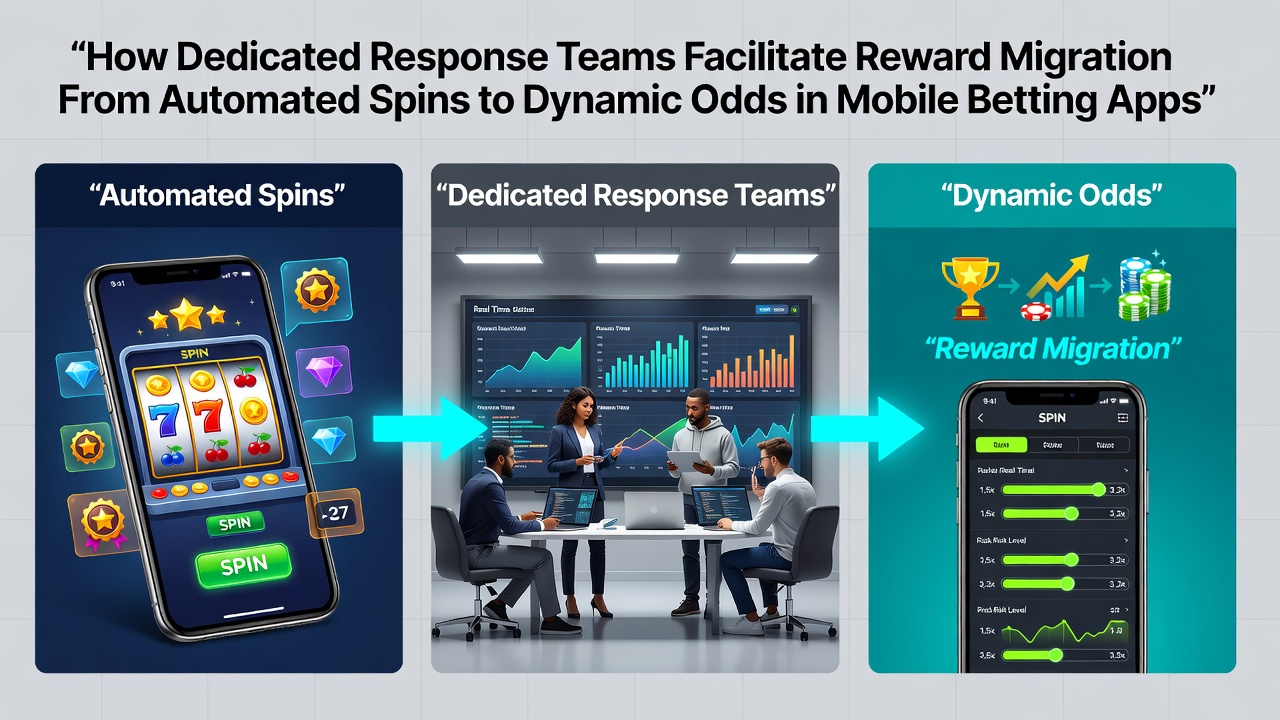
Response Units Streamlining Loyalty Point Transfers Between Reel Automations and Variable Probability Markets on Mobile Platforms
Response units in mobile betting environments handle the technical and procedural steps required when users seek to move accumulated loyalty points from automated reel sequences to sections featuring variable probability wagers, and these teams operate through dedicated channels that verify account status, confirm eligibility, and execute transfers within established system protocols. Data from industry tracking services indicate that such migrations occur frequently during peak activity periods, with support interactions rising notably in late 2026 as platforms expanded cross-feature integration.
Core Functions of Response Units in Mobile Systems
Teams receive requests through in-app messaging or live chat interfaces, then review transaction histories to determine point balances originating from reel-based activity before applying conversion rules that align with operator-defined exchange rates, and this process incorporates automated verification steps alongside manual oversight to maintain consistency across user accounts. Observers note that response personnel often coordinate with backend developers when system flags appear during high-volume periods, such as those recorded in November 2026 when several major platforms reported increased cross-category activity following seasonal promotions.
Verification protocols require confirmation of identity documents and account linkage to regulatory standards set by bodies including the New Jersey Division of Gaming Enforcement, while additional checks ensure compliance with regional licensing requirements that govern bonus mobility between game categories. Those who manage these operations report that dedicated queues allow faster resolution compared to general support lines, reducing average handling times for point migration requests.
Technical Pathways for Point Migration
Systems log initial point accrual in automated spin modules separately from dynamic odds sections, creating distinct ledgers that response teams merge through controlled API calls once user authorization clears, and this separation prevents unintended overlap while enabling precise tracking of reward origins. Integration layers within the applications allow teams to adjust balances in real time, applying multipliers or caps according to documented policy documents that vary by jurisdiction.
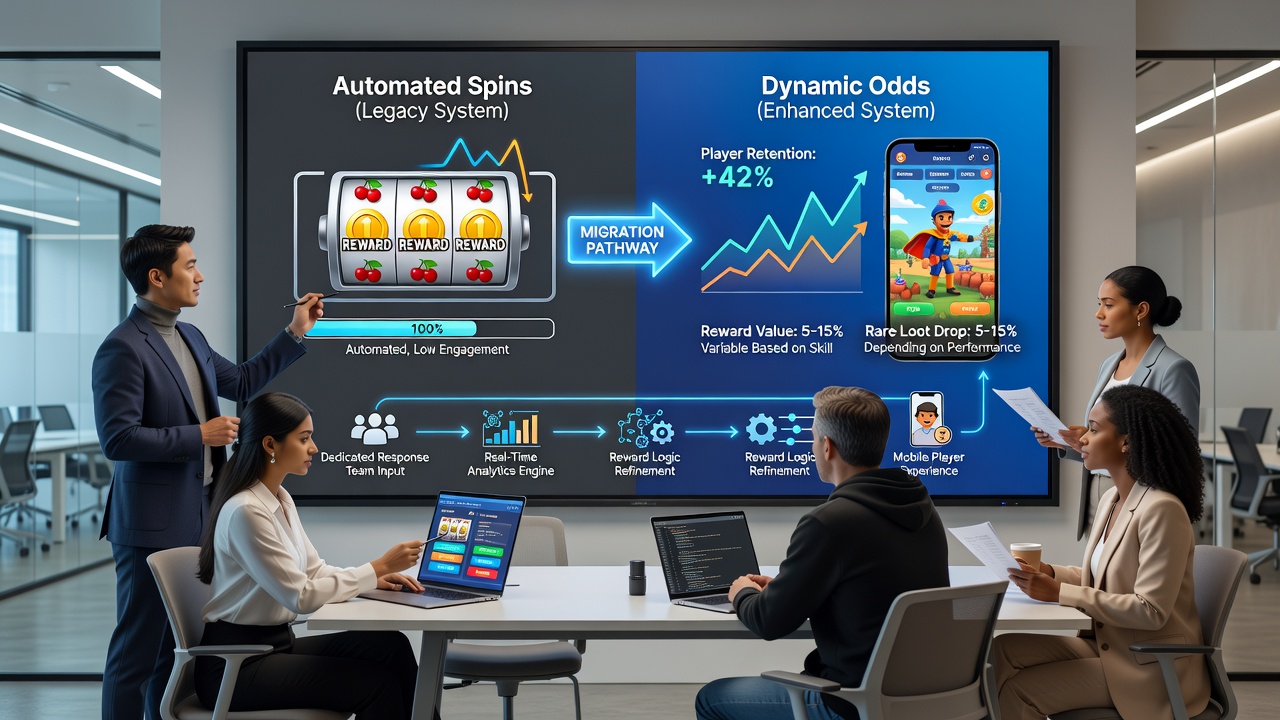
Case examples from platform analytics reveal instances where users initiated transfers after completing reel sequences, prompting teams to validate remaining balances against active wagering requirements before releasing points into sports or live odds modules, and these steps occur within encrypted sessions that log every modification for audit purposes. Research from academic sources such as the University of Nevada, Las Vegas International Gaming Institute has examined similar migration frameworks, finding that structured team involvement correlates with lower error rates in balance adjustments across multi-category apps.
Regulatory and Operational Considerations
Compliance frameworks established by the Australian Communications and Media Authority require clear documentation of point origins and destinations, compelling response teams to maintain detailed records that demonstrate adherence during periodic reviews, while operators implement tiered access controls that restrict migration privileges based on account age or verification level. Data compiled through 2026 shows continued refinement of these controls as platforms adapted to updated licensing conditions across multiple regions.
Training modules for response personnel cover scenario-based simulations involving partial point transfers, system outages during active requests, and edge cases where eligibility criteria shift mid-process, and such preparation supports consistent handling when users move rewards between automated and dynamic features. Industry associations track these operational metrics to identify patterns that inform future protocol updates.
Conclusion
Response units maintain structured pathways that connect reward accumulation in automated sections with usage opportunities in variable odds environments, relying on verification sequences, technical integrations, and regulatory alignment to complete transfers. Continued platform development through late 2026 reflects ongoing adjustments to these mechanisms as user activity spans broader game categories within single mobile interfaces.