Mobile Loyalty Bridges: Integrating Casino Rewards with Sports Betting Perks on Digital Platforms
Kai Wolf · Nov 17, 2026

Mobile Loyalty Bridges: Integrating Casino Rewards with Sports Betting Perks on Digital Platforms
Operators have expanded mobile platforms that connect casino reward systems directly to sports wagering incentives, allowing users to transfer points, bonuses, and tier status across game types without separate accounts. Data from multiple U.S. states shows this integration accelerated after 2024 regulatory updates that permitted shared player databases between casino and sports betting operations. In November 2026, several major platforms reported increased cross-category activity, with users moving accumulated credits from slot sessions into live event wagers on the same app.
Core Mechanics of Reward Synchronization
Developers built application programming interfaces that track player activity in real time, converting casino win triggers such as jackpot payouts or bonus round completions into equivalent sports betting credits. These systems calculate conversion rates based on play volume and frequency, then apply the adjusted value to sports wager accounts within seconds. One observed pattern involves users completing a set number of reel spins that unlock multipliers applicable to goal-line or spread bets during football season. Research from the Alcohol and Gaming Commission of Ontario indicates that platforms using unified ledgers recorded higher retention rates compared with separate reward silos in the first three quarters of 2026.
Users receive tier progression notices that reflect combined activity across both verticals. A player who reaches gold status through casino volume automatically gains corresponding sports betting perks, including reduced vig on certain markets and priority access to promotional lines. The synchronization relies on encrypted data streams that update continuously, preventing discrepancies between the two segments. Observers note that these updates occur most visibly during peak evening hours when both casino and sports traffic overlap.
Examples of Cross-Vertical Bonus Flow
Take one operator that introduced a feature allowing slot jackpot wins to generate sports free bets automatically. When a user hits a progressive trigger on mobile, the system issues a sports credit equal to a percentage of the win, valid for the next 48 hours on preselected events. Another case involves daily login streaks that accumulate points redeemable either for casino bonus spins or boosted odds on basketball games. Figures from state regulatory filings reveal that such features contributed to measurable increases in average session length during the fall sports calendar.
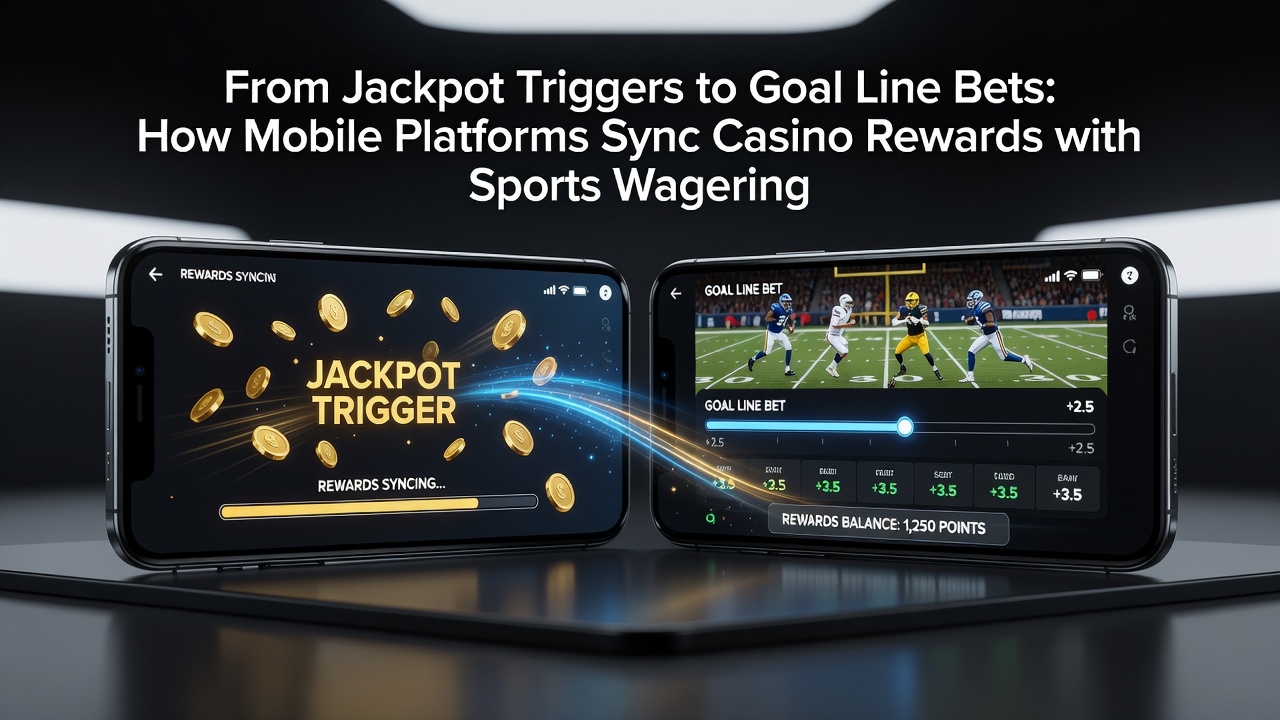
Platforms also incorporate live event triggers that bridge the two categories. A user watching a game on the same app can receive a notification that converts recent casino play into an in-game wager incentive, such as a risk-free bet on the next possession. These prompts appear only after the system confirms the player meets minimum activity thresholds in the casino section. Industry reports compiled by the University of Nevada, Las Vegas gaming research center document similar implementations across multiple licensed operators in late 2026.
Regulatory and Technical Considerations
State gaming authorities require clear disclosure of how rewards convert between categories, including any expiration rules or wagering requirements. Compliance teams conduct regular audits to verify that conversion algorithms treat all players consistently regardless of preferred game type. In Canada, the Alcohol and Gaming Commission of Ontario published updated technical standards in 2025 that explicitly address unified loyalty systems, mandating audit trails for every point transfer. Operators that meet these standards can promote the integrated features while maintaining separate tax reporting for casino and sports revenue streams.
Security protocols include multi-factor authentication for reward redemptions that span both verticals. Data segmentation keeps casino play records distinct from sports bet histories even while the loyalty engine aggregates totals for tier calculations. This separation satisfies privacy rules yet allows the reward engine to function across product lines. Technical teams continue to refine latency issues that previously caused brief delays when large jackpot amounts converted into sports credits during high-traffic periods.
Conclusion
By November 2026, mobile platforms had established reliable pathways that link casino reward triggers to sports wagering incentives through shared loyalty infrastructure. Regulatory frameworks in multiple jurisdictions support these integrations when operators maintain transparent conversion rules and secure data handling. The result appears in unified user accounts where activity in one category directly influences opportunities in the other, supported by real-time tracking and audited algorithms.