Digital Platforms Connecting Reward Systems Across Slot Machines, Live Dealer Games, and Sports Betting Options
Cameron Keller · Oct 20, 2026
Digital Platforms Connecting Reward Systems Across Slot Machines, Live Dealer Games, and Sports Betting Options
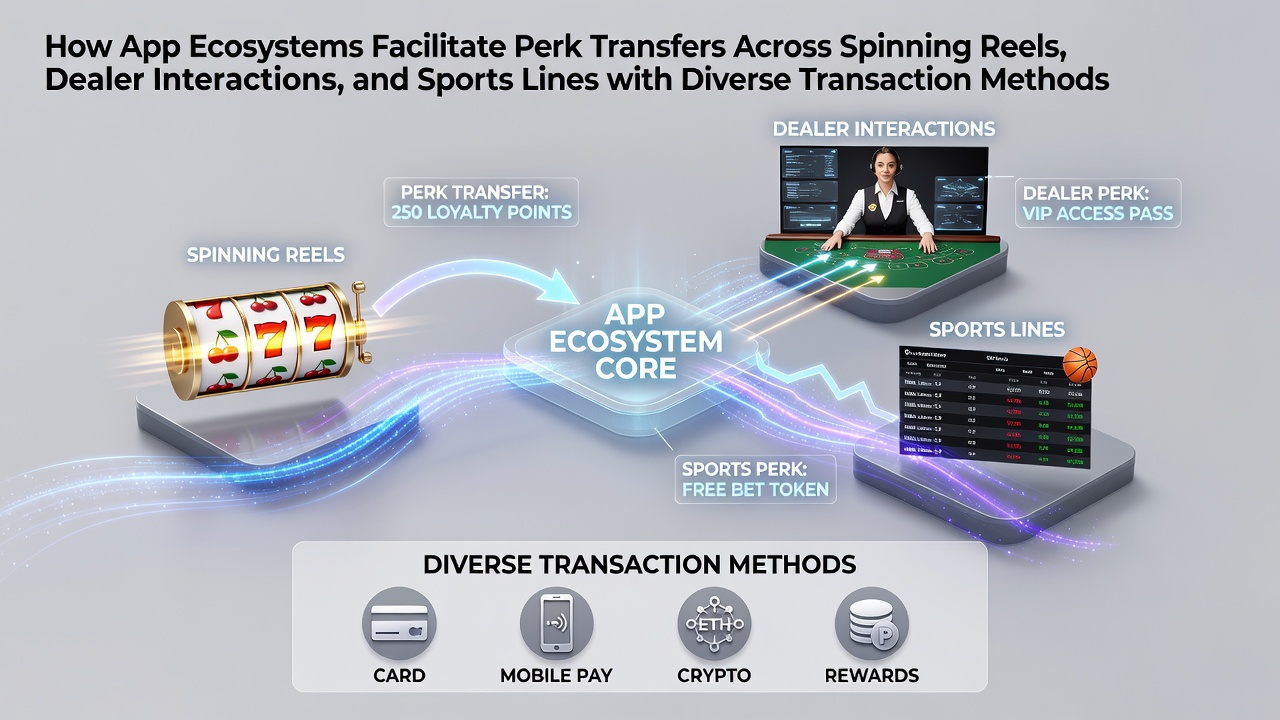
App ecosystems in gaming have developed structured pathways that allow users to shift accumulated perks between spinning reel games, live dealer sessions, and sports wagering lines while supporting multiple transaction methods at each stage. These systems rely on unified user accounts that track activity across categories and apply consistent rules for benefit movement, with data synchronization occurring in real time through backend servers maintained by platform operators. In October 2026, several major operators reported expanded functionality in their mobile applications that streamlined these transfers without requiring separate logins or manual balance adjustments.
Core Mechanisms Behind Perk Mobility
Spinning reels generate base rewards through standard play metrics such as spin volume and bonus triggers, while dealer interactions accumulate points based on table time and wager size, and sports lines contribute through settled bets and prediction accuracy. Application frameworks link these sources by assigning each activity a common reward currency that converts automatically when a user switches categories. Developers implement this through API connections that pull data from individual game engines and push it into a central ledger, ensuring that a player who completes a set of reel spins can immediately apply those points toward live table bonuses or sports bet credits.
Transaction methods integrated into these apps include bank transfers, digital wallets, prepaid cards, and cryptocurrency options, each processed through separate gateways that feed into the same account balance. When a perk transfer occurs, the system validates the transaction method used for the original deposit and applies any associated fees or conversion rates before crediting the new category. Observers note that this approach reduces friction compared with earlier models that treated each game type as a separate silo.
Role of Diverse Payment Channels in Cross-Category Transfers
Payment diversity supports perk movement because each method carries its own verification speed and compliance profile. Bank transfers, for instance, often require additional confirmation steps that delay reward availability, whereas digital wallets complete verification within seconds and allow immediate application of transferred benefits. Apps manage these differences by displaying estimated processing times alongside each option and routing requests through the fastest compliant channel when possible. Data from the Nevada Gaming Control Board shows that platforms offering at least four distinct payment types recorded higher rates of cross-category perk usage during the first three quarters of 2026.
Users who initiate transfers from spinning reels to dealer interactions typically select the same payment method used for their initial deposit to avoid extra verification layers. When moving perks onward to sports lines, the system applies any sports-specific multipliers after confirming the original transaction route. This layered check prevents mismatches and maintains audit trails required by regulatory frameworks in multiple jurisdictions.
Integration Patterns Observed Across Platforms
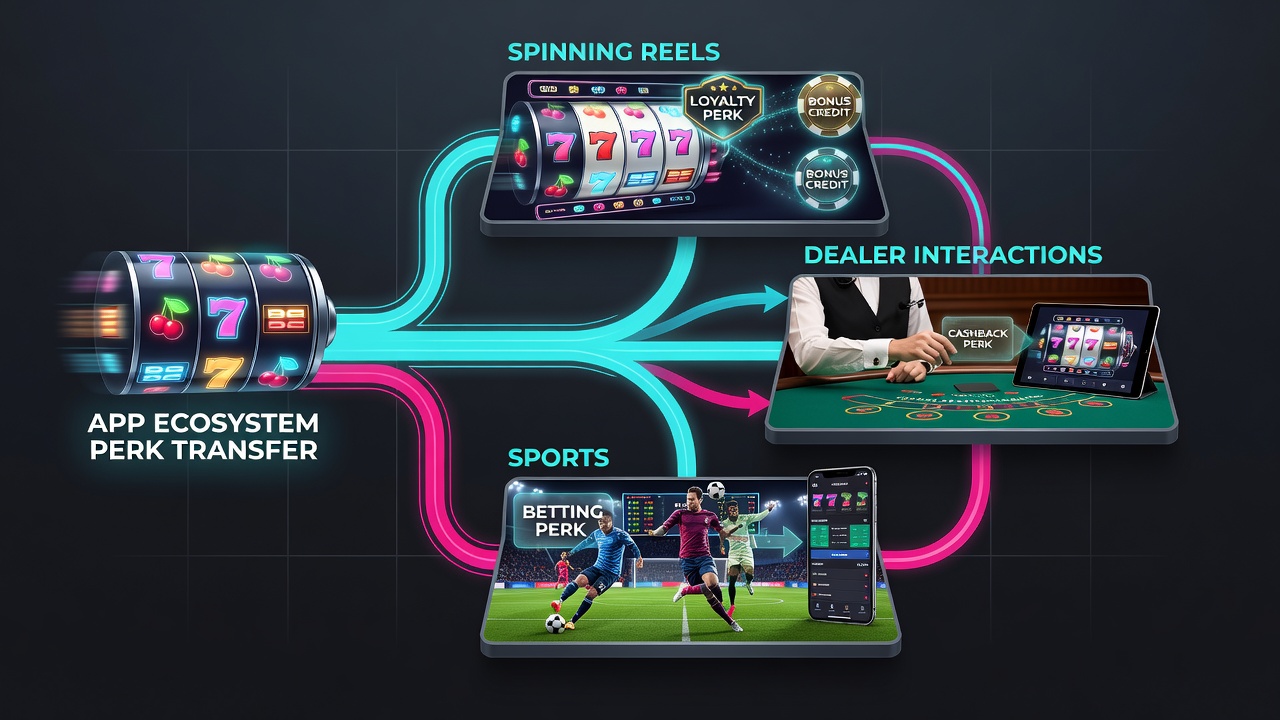
Platform operators structure their applications around modular reward engines that treat spinning reels, dealer tables, and sports lines as interchangeable modules rather than isolated products. When a user completes activity in one module, the engine calculates eligible perks and offers transfer prompts that appear within the active session. These prompts include details on conversion ratios, any time limits, and the transaction methods that will carry the reward forward without interruption. Research conducted by the Responsible Gambling Council indicates that clear display of these parameters correlates with increased user engagement across multiple game categories.
Security protocols require multi-factor confirmation for transfers exceeding certain thresholds, yet the confirmation process remains embedded inside the app to avoid redirecting users to external sites. This containment keeps transaction data within the same ecosystem and supports faster reconciliation between game types. Operators have also introduced scheduled transfer windows during peak hours to manage server load while still allowing on-demand movement for smaller perk amounts.
Conclusion
App ecosystems achieve perk transfers across spinning reels, dealer interactions, and sports lines by maintaining unified ledgers, supporting varied transaction methods, and embedding compliance checks directly into mobile interfaces. These features enable users to move benefits between categories without leaving the application environment, with processing times and conversion rules determined by the original payment channel and the destination game type. Continued updates through late 2026 have focused on reducing latency and expanding supported payment options while preserving the audit trails required by oversight bodies.